

How to Get an Accurate Catering Quote in Kolkata
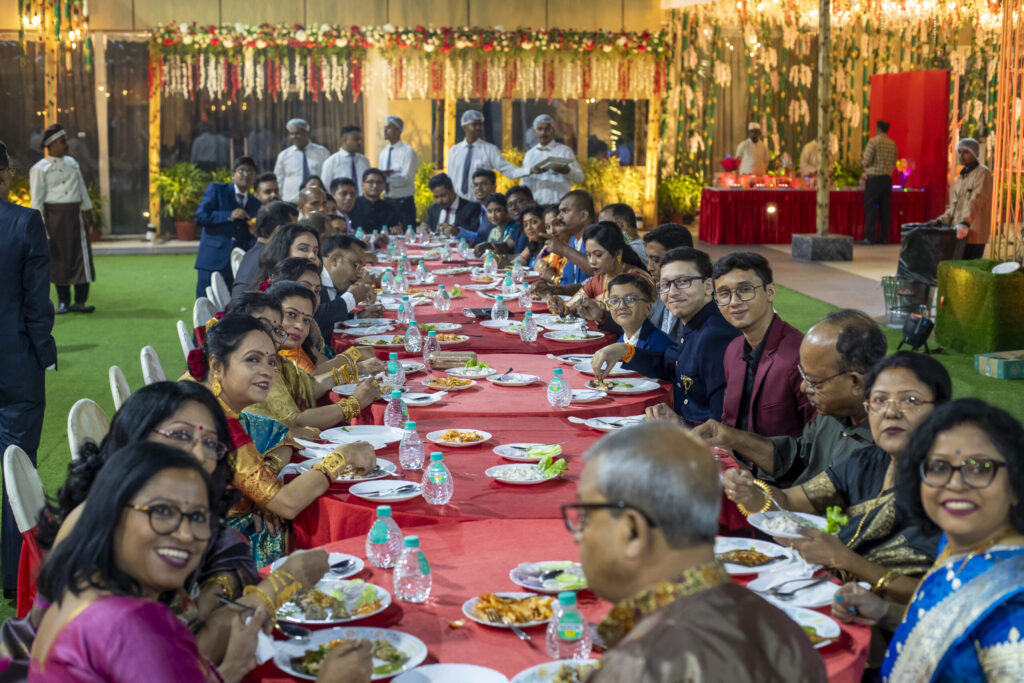
I still remember the night before my sister’s wedding in Kolkata, pacing the living room with a list and a stomach full of nerves. A clear, fair estimate would have calmed me then. That certainty matters. It lets you focus on people, not totals.
Dawat Catering began in 2020 with a promise: fresh, local ingredients and transparent planning that fits each event and budget. Their team blends Bengali classics with modern touches and works with hosts on menu choices and service levels. This approach helps match quality with realistic prices.
Below, you will find a simple path for sharing the right details — date, venue, guest count, sample menu and service window — so vendors can price correctly the first time. Expect practical per-plate ranges that reflect Kolkata norms and volume discounts that affect final figures.
Key Takeaways
- Give clear event details so estimates match expectations.
- Use Dawat Catering’s local sourcing as a model for cost and quality.
- Compare itemized line items, not just a single total.
- Watch per-plate ranges and guest tiers for honest prices.
- Choose service style that fits your menu and budget.
Understanding Your Goal: What “Accurate” Means for a Catering Quote
Define exactly which deliverables matter most so proposals truly reflect your needs. Clarity, comparability, and completeness make a quote useful. Local Kolkata caterers often use package tiers and guest-count bands, so a clear scope helps vendors price fairly.
Clarity, comparability, and completeness
Clarity means every component is listed: food prep, staff, setup, teardown, rentals and logistics. This stops surprise add-ons that push costs up.
Comparability lets you line proposals up side by side. Match staffing levels and service style so totals reflect real value, not just a low headline number.
Completeness requires event date, duration, guest-count bands and service windows up front. That helps caterers scope production and estimate accurately.
Aligning taste, service, and budget
- Build quotes around a focused menu concept so portions and ingredient hours are precise.
- Ask for line-item clarity—per-plate food, staffing, rentals, logistics and overtime policies—so you can compare true costs.
- Match service style with presentation expectations; staffing ratios drive both quality and price.
With transparency and a shared brief, you choose a caterer who delivers the experience you want within your budget.
Define the Event Scope Before You Request Prices
Pin down the core details—what type of event, when it runs, and how long—so proposals reflect real production needs.
Dawat Catering recommends an early scope call. Clear scope helps caterers size teams and stock correctly. It also keeps per-plate estimates stable across guest bands.
Fix the event type (wedding, corporate, institutional, social), the date, and a realistic duration. Then choose guest count bands (for example, 150–200 or 300–350) rather than a single figure. Many Kolkata companies kolkata lower rates at larger bands (₹550–₹850 for 401–10,000 vs ₹600–₹1,000 for 301–400), so bands matter for value.
Venue and service windows
- Confirm kitchen access, loading bays, and power/water limits.
- Share setup, snack, main, dessert, and teardown windows.
- Note sound or fire rules that affect live stations.
| Scope Item | Why it matters | What to share |
|---|---|---|
| Guest bands | Affects per-plate pricing and staffing | Range (e.g., 300–350), expected RSVP buffer |
| Venue limits | Determines equipment and layout choices | Kitchen access, load-in times, restrictions |
| Service windows | Sets shift lengths and labor costs | Setup arrival, service starts, last service |
Also flag guest mix—kids, elders, corporate delegates—and contingency needs for rain or heat. Clear scope gives caterers a fair basis for accurate pricing and fewer surprises on the day.
Menu Planning That Matches Theme, Season, and Dietary Needs
Start with a theme and let the menu tell the story from snacks through dessert. Dawat Catering blends Bengali-forward flavors with contemporary trends and uses fresh, local ingredients to create menus that hit taste and budget targets.
Traditional Bengali classics sit alongside modern plates so guests get a pleasing variety. Choose a tier—Standard, Premium, or Royal—and then pick hero dishes like Kosha Mangsho or Paturi paired with lighter sides.
Meeting dietary needs
List vegetarian, vegan, Jain, gluten-free, and allergy requirements early. Clear labels and separate prep stations keep service safe and confident.
- Map an arc: welcome snacks, mains, and desserts.
- Plan portion sizes by course to avoid waste and control cost.
- Use seasonal ingredients and local fish for better taste and quality.
- Include a tasting step to confirm seasoning and presentation.
| Choice | Why it matters | Example |
|---|---|---|
| Theme-led menu | Creates cohesion and simplifies choices | Bengali classics + contemporary small plates |
| Dietary handling | Reduces risk and improves guest confidence | Separate stations, labeled dishes |
| Seasonal sourcing | Boosts taste and keeps costs stable | Local fish, market vegetables |
Choose Your Service Style Early to Avoid Cost Surprises
Pick your service format early so vendors can match staff, timing, and costs to the experience you want. Dawat Catering will align buffet, plated, live counters, or hybrid formats with your goals and budget.
Buffet, plated, live counters, and hybrid formats
Buffets lower staffing needs and help control per-plate costs. They work well for large groups and casual presentation.
Plated service raises the bar on presentation and requires more servers per guest, which increases labor line items.
Live counters add theater and freshness for signature dishes but need chefs at stations, power, and queue rules.
Staffing levels and impact on pricing
- Decide which format fits your event and expected guest flow so staffing ratios match the plan.
- Ask for explicit servers-to-guests ratios and hot-holding plans in the quote to avoid surprise labor add-ons.
- Hybrid options—buffet mains with live starters—can balance experience and costs by placing staff where they matter most.
| Format | Staffing | Strength |
|---|---|---|
| Buffet | Low | Cost control, fast flow |
| Plated | High | Elegant presentation |
| Live counters | Medium | Engagement, freshness |
Tip: Request two priced scenarios for different options so you can compare costs and expected quality side by side.
How to Use Kolkata Market Benchmarks to Sense-Check Quotes
A market-aware frame helps you spot which assumptions drive higher or lower totals in each proposal.
Dawat Catering’s cost transparency lets clients compare proposals against common city ranges. Use these benchmarks as a reality check before you sign.
Typical per-plate prices in Kolkata run from basic vegetarian at ₹300–₹500, standard non-veg at ₹500–₹800, and premium wedding tiers at ₹800–₹1,500. Corporate catering often sits between ₹400–₹1,000 depending on menu and service.
Guest-count tiers and volume breaks
Volume discounts shift costs. Sample bands used by many caterers kolkata trust: 101–200 at ₹700–₹1,000; 201–300 at ₹650–₹950; 301–400 at ₹600–₹900; 401–10,000 at ₹550–₹850.
- Map your planned menu and service style to the city range before collecting proposals.
- Watch variables that change prices: protein choice, dish count, live counters, and plating.
- Check package inclusions—Standard through Royal—so you compare like for like.
- Ask for separate veg and non-veg splits, child and crew pricing, and tasting charges.
| Item | Typical range (₹) | Why it matters |
|---|---|---|
| Basic veg per-plate | 300–500 | Lowest-cost menu without premium proteins |
| Standard non-veg per-plate | 500–800 | Balanced menu with common proteins |
| Premium/wedding per-plate | 800–1,500 | Elevated ingredients, more stations, higher staffing |
| Volume tier example | 401–10,000: 550–850 | Economy of scale lowers per-head costs |
How to Get an Accurate Catering Quote in Kolkata
Send a focused brief and you cut the back-and-forth. A short note that lists the essentials helps vendors commit to exact inclusions and prices fast.
The information to share with caterers (a ready-to-send brief)
Dawat Catering asks clients for a compact brief that covers the event scope and practical needs. Keep it one page and clear.
- Event basics: date, venue, start/end times, and guest band (e.g., 200–250).
- Menu vision: sample dishes, Bengali-forward preferences, dietary requests, and any live counters.
- Service style: buffet, plated, live, or hybrid and the expected level of presentation.
- Venue constraints: kitchen access, loading windows, power/water limits, and flame restrictions.
Must-have line items in a transparent estimate
Ask for an itemized estimate that separates core items so you can compare offers fairly.
| Line item | Why it matters | Example |
|---|---|---|
| Food per-plate | Shows true meal cost by guest | Veg / non-veg split |
| Staffing & service | Drives quality and labor charges | Servers ratio, chef stations |
| Rentals & logistics | Includes tables, linens, transport | Delivery, setup, cleanup |
Also request overtime rules, headcount change policies, tasting timeline, and any décor coordination notes so final totals have no surprises.
Comparing Catering Packages vs. Custom Menus
Packages speed decisions with fixed inclusions; custom menus give you room for unique rituals and branded touches.
Dawat Catering offers both package-led and fully custom approaches. Packages—Standard, Premium, and Royal—bundle core items, staffing, and presentation for a predictable range and faster turnaround.
Standard, Premium, and Royal-style inclusions
Standard tiers cover essentials: set menus, basic service, and core rentals.
Premium adds variety, signature counters, and upgraded presentation.
Royal-style options include live stations, higher staff ratios, and premium ingredients for larger social and wedding events.
When custom is better: weddings, cultural, corporate, institutional
Custom menus suit weddings that need family recipes, ritual dishes, or regional sweets.
Corporate programs often ask for branded stations or nutrition rules that packages may not cover.
Institutional SLAs and recurring orders usually need tailored cadence and strict labeling.
“Choose a hybrid when you want the cost benefits of a package plus a few bespoke hero items for impact.”
- Packages simplify budgeting and speed quoting.
- Custom builds let you prioritize rituals, branding, or special diets.
- Request side-by-side quotes: package versus custom for clear comparison.
| Option | Typical inclusions | Best for |
|---|---|---|
| Standard | Fixed menu, basic staffing, core rentals | Small social events, simple gatherings |
| Premium | Expanded menu, signature counters, enhanced presentation | Medium weddings, corporate launches |
| Royal / Custom | Live stations, premium proteins, higher staff ratio | Large weddings, cultural ceremonies, branded events |
Tip: If you prefer packages, ask for some swap flexibility. For custom builds, get clear rules on how changes affect price and production complexity.
Budget Controls: Smart Trade-offs That Don’t Compromise Quality
Prioritizing hero items and seasonal produce helps you hold quality without overspending. Dawat Catering uses local, seasonal ingredients and collaborative menu engineering to keep taste high while managing cost.
Menu engineering runs on a simple idea: spend where it matters, simplify elsewhere. Pick two or three hero dishes that define the event. Balance the rest with seasonal swaps and right-sized portions to reduce waste and keep the per-head budget steady.
- Concentrate spend on a few hero dishes and use market-season ingredients for most courses.
- Right-size canapés, tempo buffet portions, and mindful desserts to cut waste without losing impact.
- Choose one or two signature counters if you want theatre; avoid many costly stations.
- Small presentation touches—garnish, smart plating, clear signage—lift perceived value cheaply.
| Choice | Save | Splurge |
|---|---|---|
| Menu mix | Seasonal sides | Hero protein |
| Service | Buffet basics | One live counter |
| Finishing | Simple sweets | Signature dessert |
Ask your caterer which items drive cost so you can decide where to invest for maximum guest delight and where to streamline.
Hidden Costs to Clarify Upfront
I don’t want attendees to be surprised by last-minute add-ons; require a detailed estimate that covers all likely fees.
Dawat Catering promotes clear, itemized estimates so clients see every potential charge. Ask for a single document that lists rentals, logistics, labor, tastings, corkage, and overtime rules.
Common fee areas and what to request
- Full rentals list with quantities and unit prices — chairs, linens, tableware and backup items like chafer fuel.
- Logistics and delivery charges, extra trips for tight loading windows, and venue access limits that affect prices.
- Setup and cleanup labor hours, start/finish times, and whether those crew costs are included in the base service.
- Tasting policies: number of tasters, dishes included, and whether tasting fees offset the final invoice.
- Corkage and bar details — bartender fees, glassware rental, and bar-back support so billing isn’t fragmented.
| Charge | Why it appears | What to confirm |
|---|---|---|
| Overtime | Extended service windows | Per-hour rates and cutoff times |
| Power/water | Generators or extra supply | Generator rental and fuel costs |
| Special diets | Separate prep/equipment | Any extra packaging or station fees |
“A transparent, line-by-line estimate prevents surprises and protects your budget.”
Tip: Ensure taxes, mandatory service charges, and breakage rules are listed so final totals match your plan and guests leave happy.
Negotiation Tips Borrowed from Kolkata’s Best Caterers
Clever trade-offs—like weekday events and fixed menus—help hosts secure steadier prices and reliable execution.
Off-peak dates, fixed menus, and flexible service styles
Dawat Catering works with clients on simple levers that hold quality while trimming costs. Choose an off-peak date or weekday and you may see better per-plate prices or a complimentary upgrade.
Fix the menu early and limit late swaps. Procurement predictability helps caterers control input costs and pass savings to you.
Be open to service options. Buffets often reduce staffing charges compared with plated service while keeping guest satisfaction high.
Locking guest count bands and holdback buffers
Agree a realistic guest band and a small holdback (for example, +5%). That protects production planning and avoids steep last-minute price jumps.
- Ask for package value adds when you commit to a tier and minimum headcount.
- Bundle multiple events for a better overall rate across the set.
- Give quick approvals and follow-up after tastings so final plans avoid rush charges.
“Predictability earns discounts; flexibility preserves the guest experience.”
| Levers | Why it matters | Result |
|---|---|---|
| Off-peak date | Lower demand | Better prices or upgrades |
| Menu lock | Stable procurement | Reduced costs |
| Guest band + buffer | Reliable planning | Fewer surprises |
Quality and Safety: What to Ask About Ingredients and Hygiene
Quality begins at the market: learn where vendors buy their ingredients and how kitchens keep them safe.
Dawat Catering prioritizes fresh, local produce and strict kitchen hygiene. Ask about suppliers, seasonal fish, and daily delivery routines so you know each dish meets your standards.
Local sourcing, freshness, and kitchen standards
Request written sanitation protocols, temperature logs, and cross-contamination controls. Confirm separate prep zones for Jain, allergy, or gluten-free needs.
- Check staff training in food safety and polite service supervision during events.
- Verify hot/cold holding methods and insulated transport plans for traffic delays.
- Ask for photos of past presentation so expectations match reality.
| Area | What to request | Why it matters |
|---|---|---|
| Sourcing | Supplier list, seasonal choices | Freshness and flavor |
| Hygiene | Cleaning schedule, temp logs | Guest safety |
| Allergy handling | Separate zones, labeled utensils | Risk reduction |
| Transport | Insulated carriers, timing | Quality on arrival |
Final note: get illness-reporting policies, leftover handling rules, and a quick feedback channel so any quality concern is fixed during service and your guests leave satisfied.
Evaluating “Best Catering Service” Claims with Proof
Start by asking for verifiable evidence rather than relying on marketing alone. A tasting, recent event references, and side-by-side comparisons show whether a provider delivers on their promises.
Schedule a tasting focused on your shortlisted dishes. That confirms seasoning, texture, and presentation so you know what guests will receive.
Request recent references from events that match your size and style. Ask referees about punctuality, responsiveness, and problem handling.
Practical checks before you sign
- Ask for photos or layouts from comparable events to judge station flow and presentation under real conditions.
- Obtain two or three like-for-like quotes with identical menus, service levels, and staffing for fair value comparison.
- Probe communication habits: clear timelines and proactive suggestions often predict smooth execution.
- Review dietary case studies showing separate prep, labeling, and successful guest outcomes.
- Meet the team if possible; staff professionalism in planning meetings often mirrors day-of service.
- Clarify on-site escalation paths and who makes final calls if something needs immediate adjustment.
- Read terms and policies carefully—cancellation, holdbacks, and tasting credits affect final cost and risk.
Dawat Catering supports tastings and supplies recent references so clients can validate claims before committing. Favor vendors who show flexibility while keeping safety and quality intact.
| Proof Type | What it Shows | Questions to Ask |
|---|---|---|
| Tasting | Flavor, portion, presentation | Is this portion size per guest? Any last-minute swaps? |
| References | Reliability and service consistency | Did the team meet timelines and handle issues well? |
| Event photos/layouts | Real-world presentation and flow | How were stations, queues, and guest seating managed? |
| Like-for-like quotes | True cost comparison | Are staffing ratios, rentals, and inclusions identical? |
“Choose a provider whose proof matches your event needs—experience shown is far more reliable than experience claimed.”
Why Dawat Catering’s Process Delivers Precise, On-Budget Quotes
Dawat’s team begins each project with a focused discovery session that frames goals, guest expectations, and site realities. This early step narrows assumptions and helps vendors scope staff, supplies, and logistics before numbers are written.
Collaborative menu customization and cost transparency
Dawat separates food, staffing, rentals, logistics, and optional items in every estimate. That itemization makes trade-offs obvious and lets you prioritize meaningful upgrades.
Bengali-forward flavours, contemporary trends, and reliable execution
Menus honour regional cuisine while adding modern touches for weddings and corporate events. Local, seasonal sourcing keeps flavour high and helps steady prices.
- Discovery calls map guest profile, flow, and venue limits so scope is precise.
- Transparent, itemized quotes show per-plate food, staffing ratios, rentals, and logistics.
- Tastings focus on shortlisted dishes and plating to lock expectations early.
- Clear guest-band scenarios tie your plan to Standard / Premium / Royal tiers for better value.
- On-event teams manage setup, service flow, and cleanup to protect schedule and guest experience.
“Clients choose Dawat for consistent execution and the confidence that the final invoice will reflect what was agreed—no surprises.”
| Why it matters | What Dawat provides | Benefit |
|---|---|---|
| Scope clarity | Discovery & guest-band planning | Stable pricing and fewer last-minute changes |
| Cost transparency | Itemized estimates | Easy comparison across catering services |
| Operational rigor | SOPs, SLAs, trained teams | Reliable day-of service and consistent quality |
Result: For hosts seeking one of the best catering services in the city, Dawat acts as a clear partner. You get tailored cuisine, realistic staffing plans, and the kind of execution that keeps budgets steady and guests happy.
Special Cases: Corporate, Institutional, and Bulk Home Delivery
Recurring calendars require clear rules so every delivery meets client expectations. Dawat Catering supports companies, institutions, and bulk home programs with SLA-backed services and set menu cycles.
Recurring orders, dietary compliance, and SLAs
Punctuality matters for corporate events. Keep menus streamlined and time-box service windows so meals fit meeting agendas and guest expectations.
Institutional needs often demand rotating menu cycles, nutrition checks, and written SLAs. These elements keep pricing steady and quality consistent across weeks or months.
- Document dietary requirements—eggless, Jain, gluten-free—so prep zones and labeling are clear.
- Use recurring-order frameworks to secure better rates and guaranteed availability on key dates.
- Request delivery SLAs, backup routing, and escalation contacts for peak traffic reliability.
- For bulk home delivery, confirm insulated packaging and reheating instructions that preserve temperature and texture.
Build feedback loops—monthly or quarterly—to tweak menu offerings and service levels based on guest responses.
| Case | Core focus | What to confirm |
|---|---|---|
| Corporate | Punctual service and compact menus | Service windows, servers per guest, billing workflow |
| Institutional | Consistency and nutrition | Menu cycles, SLAs, SOPs for dietary needs |
| Bulk home delivery | Packaging and routing | Insulated packs, reheating guides, delivery SLA |
| Administration | Ease of repeat ordering | Consolidated billing, approval flow, sustainability options |
“Reliable processes and clear SLAs turn repeat orders into predictable outcomes.”
Tip: Ask shortlisted companies kolkata and catering companies kolkata for sample SLAs and recent program references so you can compare services fairly.
Sample Brief Template: Copy-Paste to Request Quotes from Catering Companies in Kolkata
Send one tidy document that lists guest bands, menu goals, and site limits so replies stay precise and useful.
Dawat Catering recommends a single, copy-ready brief when you contact multiple vendors. Kolkata quotes are fastest and most accurate when the brief defines guest bands, package vs. custom intent, service style, and venue logistics.
- Event overview: date, venue, start/end times, expected guest band (e.g., 180–220), and event type (wedding reception, corporate dinner, social).
- Menu direction: Bengali-forward with contemporary touches; list must-have dishes and any live counter interest (chaats, kebabs, dessert station).
- Dietary and allergies: specify vegetarian/vegan/Jain/gluten-free counts, nut or shellfish allergies, and labeling requirements.
- Service style & logistics: buffet/plated/live/hybrid, VIP needs, kitchen access, loading bays, power, live flame policy.
- Estimate asks: itemized per-plate food, staffing, rentals, delivery, setup/cleanup, tasting policy, taxes, and overtime rates. Request two scenario options (e.g., 200 vs. 250 guests; buffet vs. hybrid).
| Brief item | Why it matters | Example |
|---|---|---|
| Guest band | Sets per-head pricing | 180–220 |
| Menu focus | Controls ingredient costs | Bengali + contemporary |
| Venue limits | Affects stations and power | No open flame, small kitchen |
“Send one clear brief and you get comparable proposals that respect your goals and dietary requirements.”
Conclusion
A focused brief that lists date, scale, menu ideas, and venue limits saves negotiation time and aligns expectations.
, With transparent planning, seasonal local sourcing, and collaborative menu design, Dawat Catering delivers precise, on-budget quotes and memorable dining experiences for wedding, social, and corporate events across the city.
Use Kolkata per-plate ranges and guest-band tiers as a reality check. Align menu, service style, and logistics up front so proposals match delivery on the day.
Request itemized estimates for food, staffing, rentals, logistics, tastings, and overtime. Validate claims with tastings and like-for-like comparisons before shortlisting the best catering options.
Ready to move? Use the sample brief and reach out to trusted catering services kolkata and vendors who show proof, hygiene, and reliable execution for your guests.